What Is an Industrial HMI? A Complete Guide for Manufacturers

Table of Contents
What Does HMI Stand For?
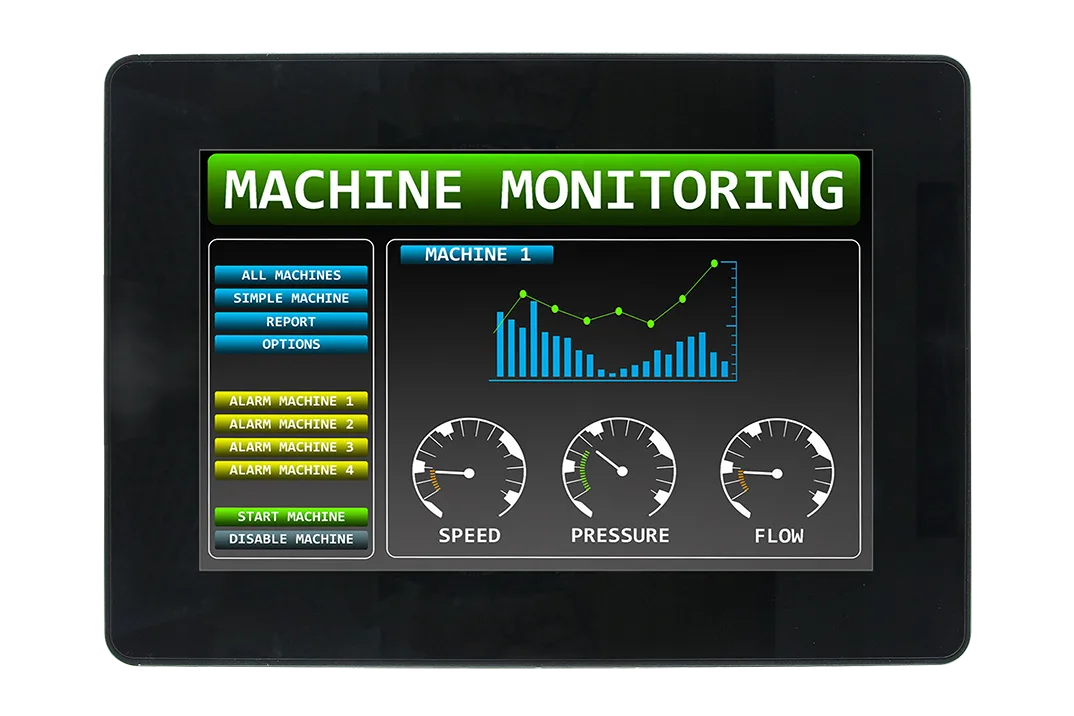
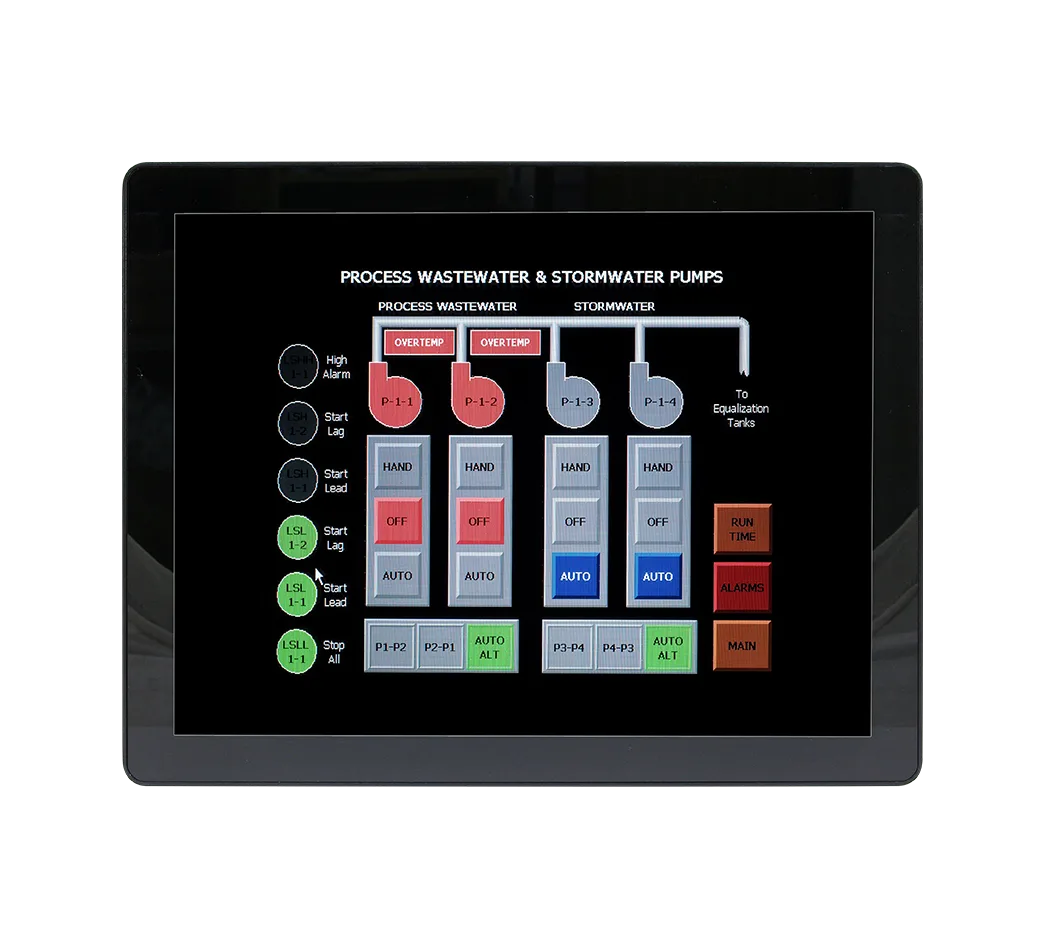
HMI stands for Human Machine Interface. In industrial automation, an HMI is the touchscreen panel that lets a machine operator see what a machine is doing and control it.
How Does an HMI Work?
An HMI connects to a PLC (Programmable Logic Controller) via an industrial communication protocol such as Modbus RTU, Modbus TCP, EtherNet/IP, or PROFIBUS. The PLC controls the physical machine; the HMI reads the PLC's data registers and displays them visually on screen.
Types of Industrial HMI Panels
- Push-button panels — simple switches and indicator lights, no screen
- Text-based HMIs — alphanumeric display, low cost
- Touchscreen HMI panels — most common today, 4.3" to 21.5"
- Panel PCs running HMI software — full Windows PC with HMI runtime
- Web-based / cloud HMI — browser-based SCADA dashboards
Key Features to Look For in an HMI
- Screen size and resolution for your operator's workspace
- IP65 or IP67 rating for wash-down or dusty environments
- PLC protocol compatibility (Modbus, EtherNet/IP, etc.)
- Operating temperature range for your environment
- MTBF (Mean Time Between Failures) for reliability
TSL Automation Solutions supplies Cermate HMI panels covering all these use cases — from compact 4.3" units for simple machine interfaces to 21.5" touchscreen panels for complex process visualization. Contact us to find the right Cermate HMI for your application.
Frequently Asked Questions
TSL Automation Solutions
Head of Marketing, TSL Automation Solutions
Sanjana covers industrial automation trends, product launches, and technology insights for TSL Automation Solutions, a Mumbai-based distributor of HMI, Panel PC, and embedded computing systems serving manufacturers across India and globally.
Need help choosing the right product?
Our team in Mumbai can recommend the right HMI, Panel PC, or embedded system for your application.
Contact TSL Automation