
Avalue · Sistema di elaborazione
BMX-P550
*Prezzo su richiesta. Ci contatti per un preventivo.
In evidenza
- Intel Core i7-14700T di 14ª generazione (35W di serie, 65W su progetto)
- Chipset Intel H610E, scheda Mini-ITX MX160H
- 2 x SO-DIMM DDR5 5600 MT/s, fino a 64GB (non-ECC)
- TPM 2.0 Infineon SLB9670 onboard
- 1 x PCIe x16 (Gen4) + 2 x PCIe half-size (condivisi)
- M.2 M-Key 2242/2280 NVMe + 3 x vani interni da 2,5"
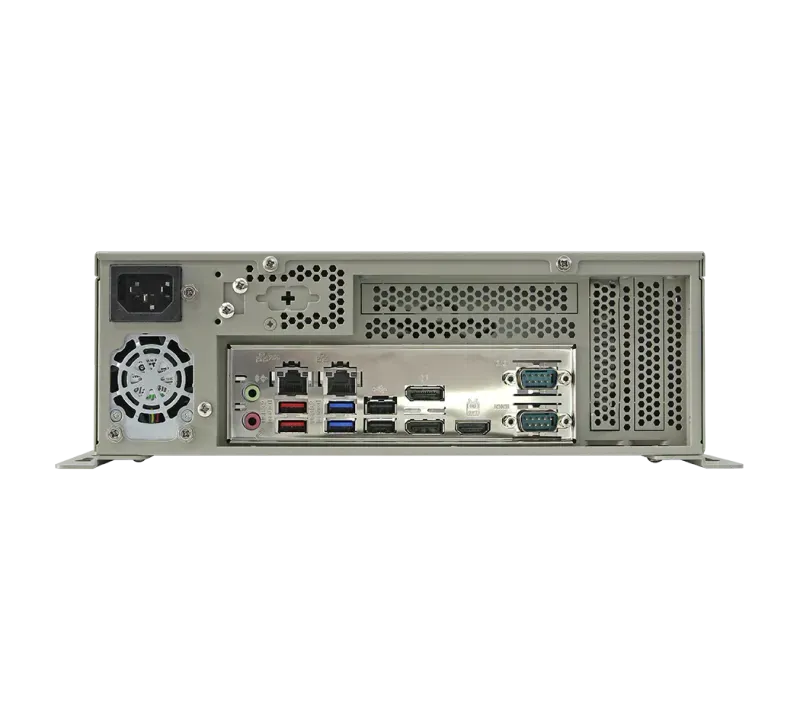
- HDMI 1.4b + 2 x DP++ 1.4a (4K)
- Doppia LAN (Intel I219LM GbE + Intel i226V 2.5GbE)
- Alimentatore ATX da 300W, Windows / Linux
Descrizione del prodotto
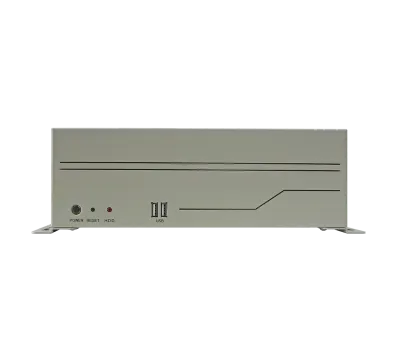
L'Avalue BMX-P550 è un sistema barebone Mini-ITX basato sulla scheda MX160H per il processore Intel Core i7-14700T di 14ª generazione (35W di default, 65W in progetto) con chipset Intel H610E.
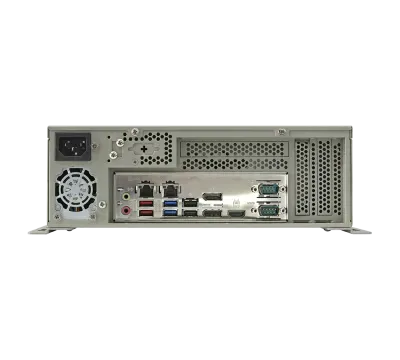
Due slot SO-DIMM supportano fino a 64GB di DDR5 5600 MT/s (non-ECC), con TPM 2.0 Infineon integrato, uno slot PCIe x16 Gen4 e un alimentatore ATX da 300W in uno chassis compatto e ad alta densità di storage.
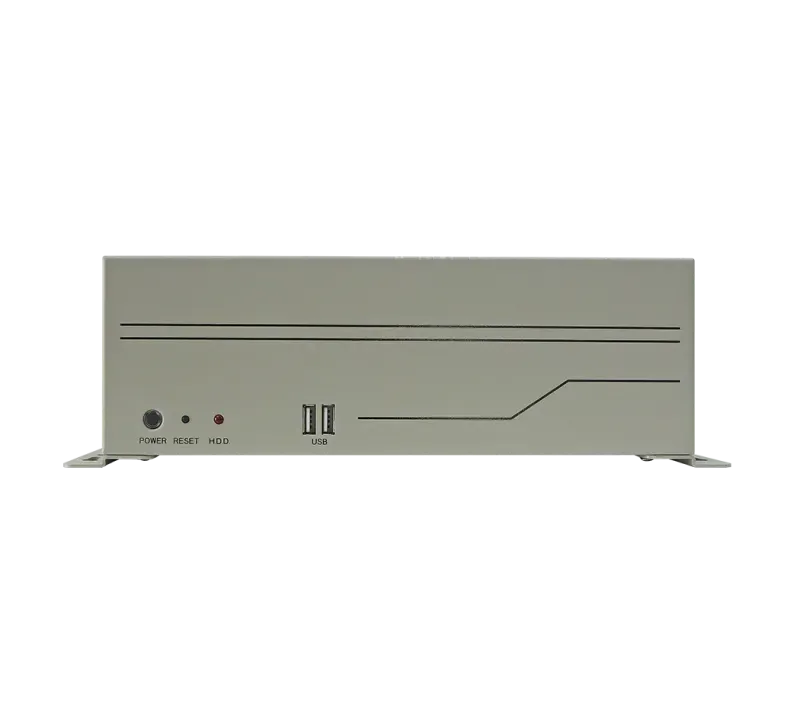
Il BMX-P550 è costruito per ruoli edge ad alta intensità di storage: M.2 M-Key NVMe (PCIe x4 + SATA III) più tre vani interni per unità da 2,5", sei porte USB, due porte COM RS-232/422/485, doppia uscita video tramite HDMI 1.4b e doppia DP++ 1.4a (4K), e doppia Ethernet (Intel I219LM Gigabit + Intel i226V 2,5GbE).
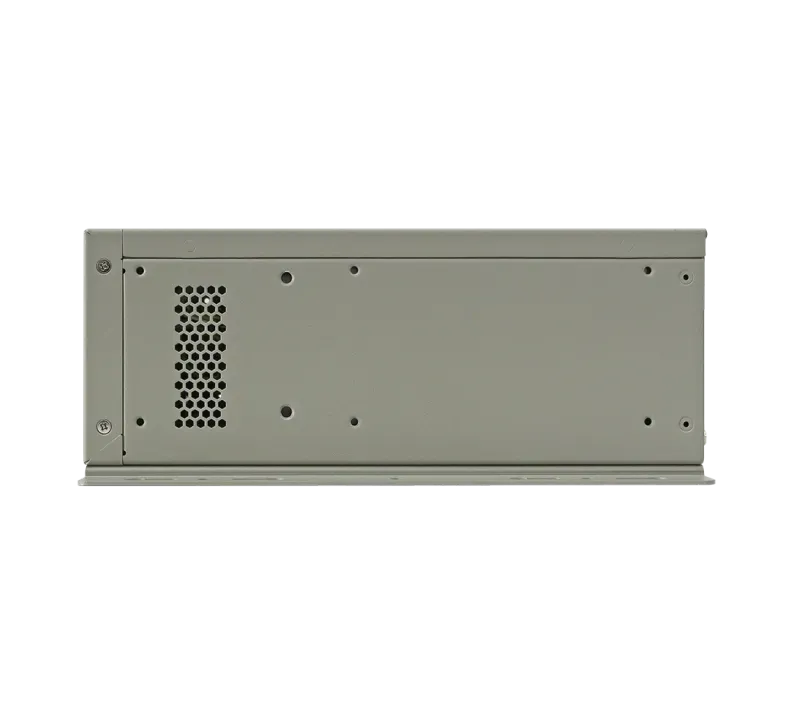
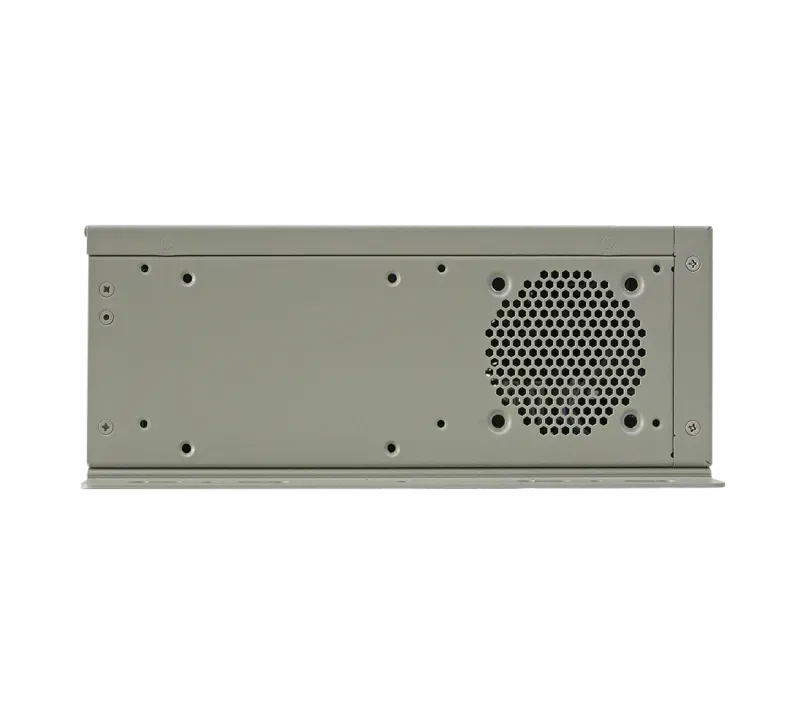
L'espansione PCIe half-size e il raffreddamento attivo lo rendono una piattaforma flessibile build-to-order per il computing industriale ed edge su Windows o Linux.
Specifiche tecniche
Che cos'è BMX-P550?
The BMX-P550 is a sistema di elaborazione manufactured by Avalue, designed specifically for barebone-system applications. It features processore of Intel® Core™ i7-14700T Processor (35W, Default), Intel® Core™ i7-14700 Processor (65W, Project Base), rete of 1 x Intel® I219LM Gigabit Ethernet PHY, 1 x Intel® i226V 2.5 Gigabit Ethernet and sistema operativo of AMI 256Mb UEFI BIOS. L'Avalue BMX-P550 è un sistema barebone Mini-ITX basato sulla scheda MX160H per il processore Intel Core i7-14700T di 14ª generazione (35W di default, 65W in progetto) con chipset Intel H610E. Due slot SO-DIMM supportano fino a 64GB di DDR5 5600 MT/s (non-ECC), con TPM 2.0 Infineon integrato, uno slot PCIe x16 Gen4 e un alimentatore ATX da 300W in uno chassis compatto e ad alta densità di storage. Il BMX-P550 è costruito per ruoli edge ad alta intensità di storage: M.2 M-Key NVMe (PCIe x4 + SATA III) più tre vani interni per unità da 2,5", sei porte USB, due porte COM RS-232/422/485, doppia uscita video tramite HDMI 1.4b e doppia DP++ 1.4a (4K), e doppia Ethernet (Intel I219LM Gigabit + Intel i226V 2,5GbE). L'espansione PCIe half-size e il raffreddamento attivo lo rendono una piattaforma flessibile build-to-order per il computing industriale ed edge su Windows o Linux.
Caratteristiche e vantaggi principali
- Intel Core i7-14700T di 14ª generazione (35W di serie, 65W su progetto)
- Chipset Intel H610E, scheda Mini-ITX MX160H
- 2 x SO-DIMM DDR5 5600 MT/s, fino a 64GB (non-ECC)
- TPM 2.0 Infineon SLB9670 onboard
- 1 x PCIe x16 (Gen4) + 2 x PCIe half-size (condivisi)
- M.2 M-Key 2242/2280 NVMe + 3 x vani interni da 2,5"
- HDMI 1.4b + 2 x DP++ 1.4a (4K)
- Doppia LAN (Intel I219LM GbE + Intel i226V 2.5GbE)
- Alimentatore ATX da 300W, Windows / Linux
Applicazioni e casi d'uso
BMX-P550 è ideale per diverse applicazioni di automazione industriale:
- High-performance computing and data processing tasks
- Networked industrial systems and data communication
- Memory-intensive applications and multitasking
- Industrial computing and data processing
- Edge computing and IoT applications
- Real-time monitoring and control
- Industrial automation systems